
Leading Storm Restoration Tools For Quick And Safe Repairs
Equip yourself with industry-leading tools designed to make storm damage repairs safer and more efficient.
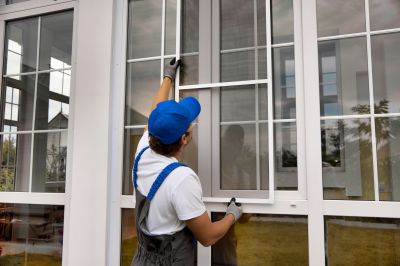 Storm restoration projects in Cincinnati, OH often require a comprehensive array of products designed to repair, reinforce, and protect properties against severe weather conditions. From the aftermath of heavy rain and wind to potential hail damage, homeowners and contractors need reliable tools and materials to restore safety and structural integrity. Essential items include durable roofing materials, water barriers, and emergency preparedness supplies that can withstand the rigors of storm-related challenges. Proper selection of these products can significantly impact the effectiveness and longevity of restoration efforts.
Top Overall Option
Heavy-Duty Weather-Resistant Roofing System
A versatile roofing system designed to withstand severe weather conditions, including high winds, heavy rain, and hail. It offers durable materials that provide long-lasting protection and ease of installation, making it suitable for various building types during storm restoration projects.
Types of Products For Storm Restorations
Weather-Resistant Shingles
Shingles engineered to endure high winds and heavy rain, providing a protective layer for roofs during storms.
Roof Flashing
Metal or flexible flashing components used to seal roof joints and prevent water intrusion.
Water Barriers and Membranes
Protective layers installed under roofing or siding to prevent water penetration and manage moisture.
Storm-Resistant Siding
Exterior siding materials designed to resist impact and wind damage, maintaining structural integrity.
Water Extraction Equipment
Tools such as wet vacuums and pumps used to remove water from flooded interiors quickly.
Moisture Meters
Devices that detect moisture levels in walls, floors, and ceilings to identify hidden water damage.
Mold Prevention Products
Solutions and treatments to inhibit mold growth following water intrusion.
Emergency Lighting and Generators
Portable power sources and lighting to support restoration work during outages.
Personal Protective Equipment
Gear such as gloves, goggles, and respirators to ensure safety during restoration tasks.
Sealants and Caulks
Materials used to seal gaps and cracks in siding, windows, and doors to prevent water entry.
Roof Ventilation Products
Vents and fans that help improve airflow and reduce moisture buildup in attics and roofs.
Debris Removal Tools
Equipment such as rakes, shovels, and blowers for clearing storm debris from properties.
Structural Reinforcement Materials
Supports and braces used to strengthen weakened structures after storm damage.
Roof Anchors and Tie-Downs
Hardware designed to secure roofing components and prevent uplift during high winds.
Popular Choices
Shingles formulated to resist impact from hail and debris, common in storm-prone areas.
Tough tarps used for temporary coverage of damaged roofs or windows during storm recovery.
Comprehensive kits that include tools and supplies for addressing water intrusion and damage.
Powerful pumps designed to remove large volumes of water from flooded areas efficiently.
Sealants formulated for high durability against weather elements and water exposure.
Reliable generators to supply power for lighting, tools, and essential devices during outages.
Windows designed to withstand high winds and debris impact, reducing potential damage.
Ventilation fans that help regulate temperature and moisture in attic spaces after storms.
Pre-packaged kits for reinforcing weak or damaged structural components.
Tools for removing storm debris safely and efficiently from properties.
Portable barriers designed to prevent water from entering buildings during floods.
Specialized tape for quick patching of leaks and cracks in roofing materials.
Protective paints that help prevent moisture penetration in walls and ceilings.
In storm-prone areas like Cincinnati, it is crucial to have access to a variety of restoration products that cater to different needs. For roofs, weather-resistant shingles and flashing components are commonly used to prevent leaks and further damage. For siding, heavy-duty panels and sealants help protect exterior walls from wind-driven rain and debris. Interior restoration often involves moisture detection tools, water extraction equipment, and mold prevention supplies to address water intrusion issues promptly.
Safety is a key concern during storm restoration, making personal protective gear such as gloves, goggles, and respirators indispensable. Additionally, backup power sources like portable generators and lighting can facilitate ongoing work during power outages. By investing in a broad spectrum of high-quality products, residents and restoration professionals in Cincinnati can better prepare for and recover from storm events, ensuring structures are resilient and safe for occupancy after the storm subsides.
Key Buying Considerations
- Assess the specific storm risks in Cincinnati, OH, such as wind speeds, hail frequency, and flood potential.
- Choose products with appropriate durability ratings for high-impact and water resistance.
- Ensure compatibility of restoration materials with existing structures and surfaces.
- Consider ease of installation and whether professional assistance is required.
- Evaluate the availability of replacement parts and ongoing maintenance needs.
- Check product certifications and standards for storm resistance and safety.
- Prioritize products that provide reliable sealing and waterproofing capabilities.
- Determine the size and coverage area needed to effectively restore your property.
- Review customer feedback and product reviews for insights into real-world performance.
- Plan for emergency supplies like portable lighting, power sources, and safety gear.
- Budget for a comprehensive set of products to address different restoration aspects.
- Verify local regulations and building codes related to storm damage repairs.
- Consider the environmental conditions in Cincinnati, such as humidity and temperature fluctuations.
- Opt for versatile products that can be used in multiple applications during restoration.
- Evaluate the long-term resilience offered by the products to minimize future damage.